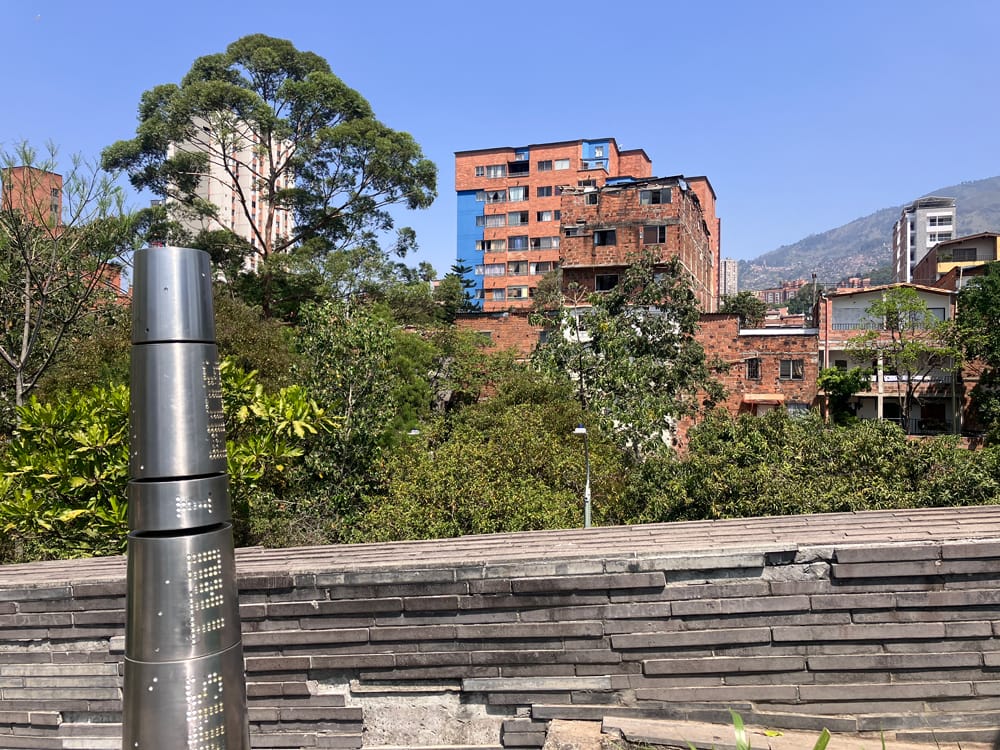
Medellín was built on convergence and segregation: tensions that have shaped a city in which, many sections of urban society have failed to benefit from Medellín’s growth and wealth. Its indigenous origins, the colonial exploitation that continues to this day, and the diverse migratory movements that have shaped the process of industrialisation, the organisation of urban growth and the dynamics of public policy – despite all efforts at integration, armed actors have consistently exploited these situations to fuel conflict and urban violence: ranging from the control of private daily life to the economic exploitation of the city. However, these tensions are always countered by concrete life experiences, struggles for their recognition and persistent, collective resistance. They have shaped the traumatic urban space as we know it today. Photo: The Museo Casa de la Memoria (House of Memory) in Medellín/COL 2023 and its neighbourhood. LINK

Trauma in Art & Practice
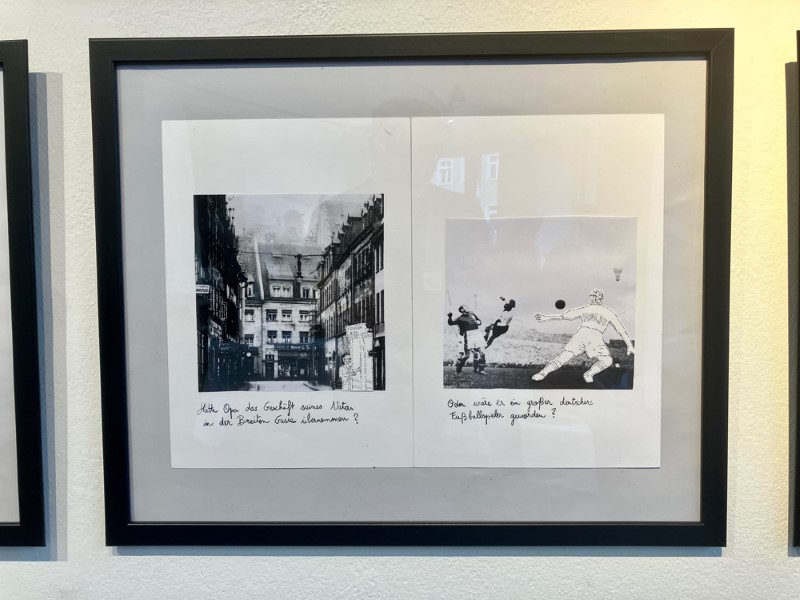
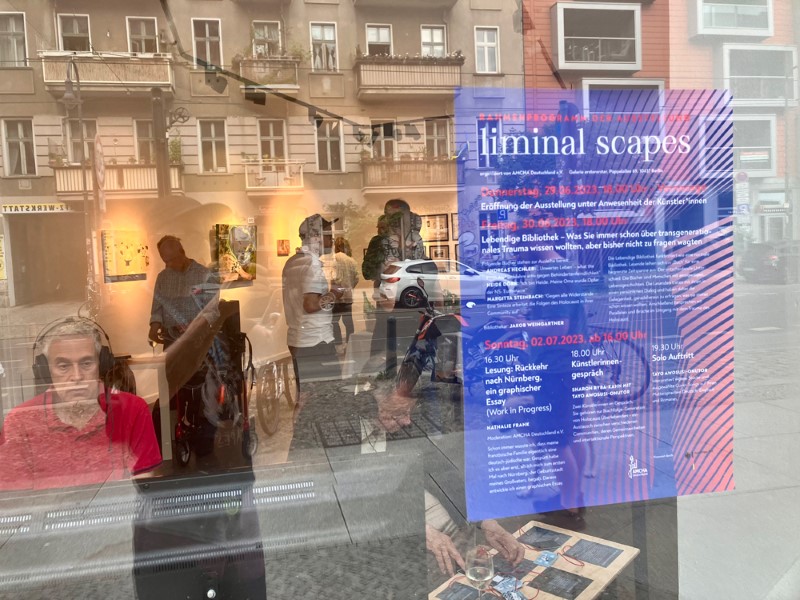
Collection of artworks, images and exhibitions photos related to transsomatic trauma
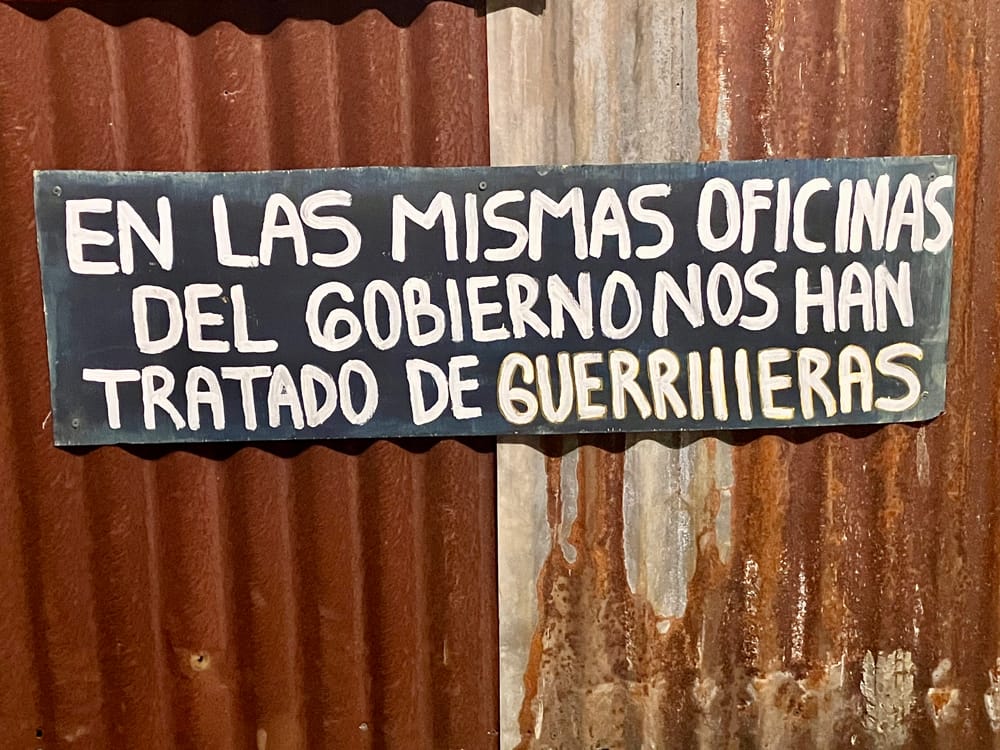
 “In those very same government offices, we were treated like guerrillos (underground fighters).” In Colombia’s armed conflicts, the poor rural population – caught in the crossfire of the fight against the guerrilla – has for decades suffered (and continues to suffer) murder, sexual assault and displacement – a never-ending vicious circle of violence and fresh trauma. This vicious circle was broken for the first time in 2016 by the peace agreement between the government and the guerrilla. The Museo Casa de la Memoria (House of Memory) addresses historical crimes and, in doing so, supports the country’s complex peace process. LINK
Somatic Memory of Historical Violence
Transgenerational Epigenetics of Trauma - the Shoah, Antisemitism, and Racism