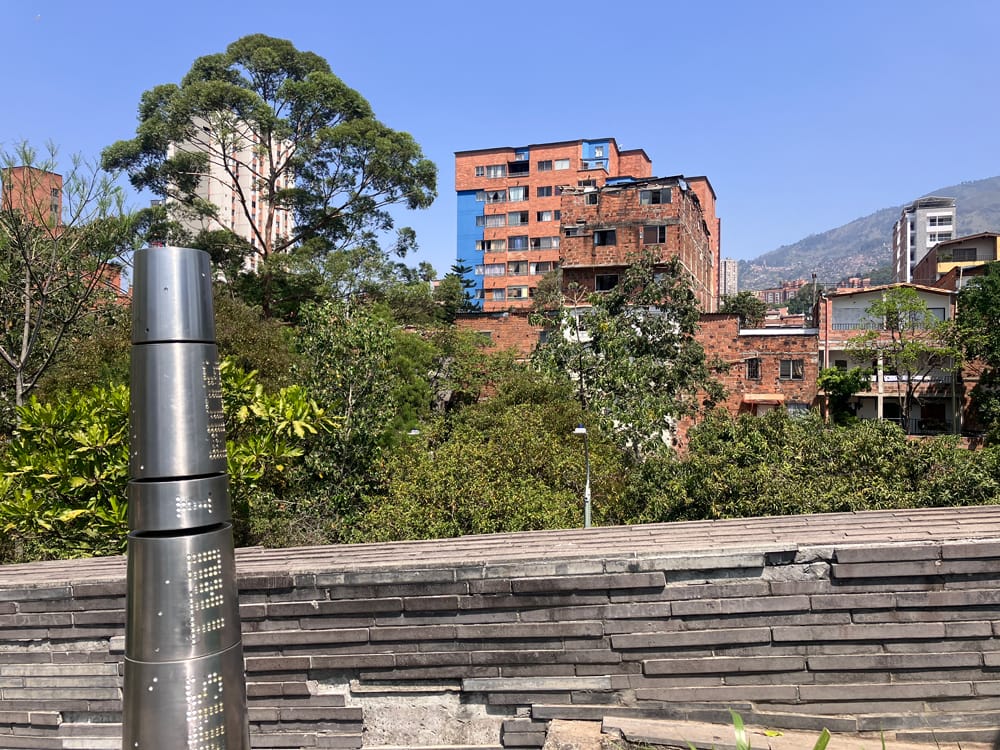
Medellín was built on convergence and segregation: tensions that have shaped a city in which, many sections of urban society have failed to benefit from Medellín’s growth and wealth. Its indigenous origins, the colonial exploitation that continues to this day, and the diverse migratory movements that have shaped the process of industrialisation, the organisation of urban growth and the dynamics of public policy – despite all efforts at integration, armed actors have consistently exploited these situations to fuel conflict and urban violence: ranging from the control of private daily life to the economic exploitation of the city. However, these tensions are always countered by concrete life experiences, struggles for their recognition and persistent, collective resistance. They have shaped the traumatic urban space as we know it today. Photo: The Museo Casa de la Memoria (House of Memory) in Medellín/COL 2023 and its neighbourhood. LINK

Trauma in Art & Practice
Collection of artworks, images and exhibitions photos related to transsomatic trauma
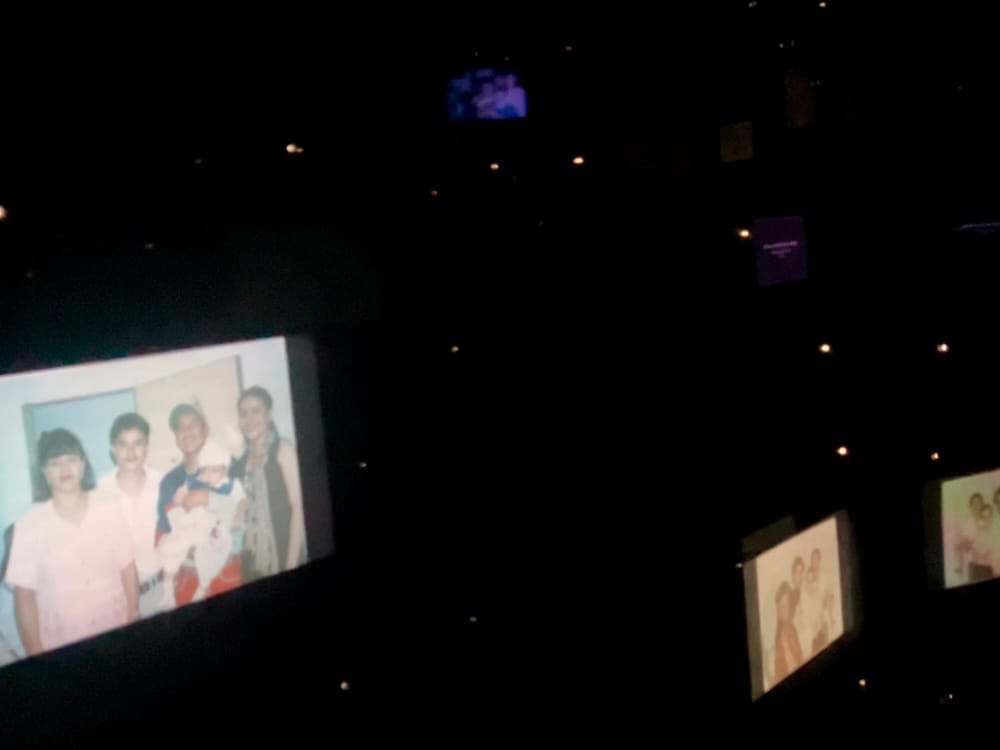
 The videos on display at the Museo Casa de la Memoria (House of Memory) in Medellín, Colombia, focus on five key words that reflect the conflict in Colombia: FEAR, SOLIDARITY, RESILIENCE, MEMORY, DIFFERENCE. Each word transports us into an everyday situation, into something familiar and recognisable, enabling us to analyse it from the perspective of war, from the viewpoint of its protagonists and in terms of its impact on the reality in which we live. Museo Casa de la Memoria in Medellín/COL 2023. LINK
Somatic Memory of Historical Violence
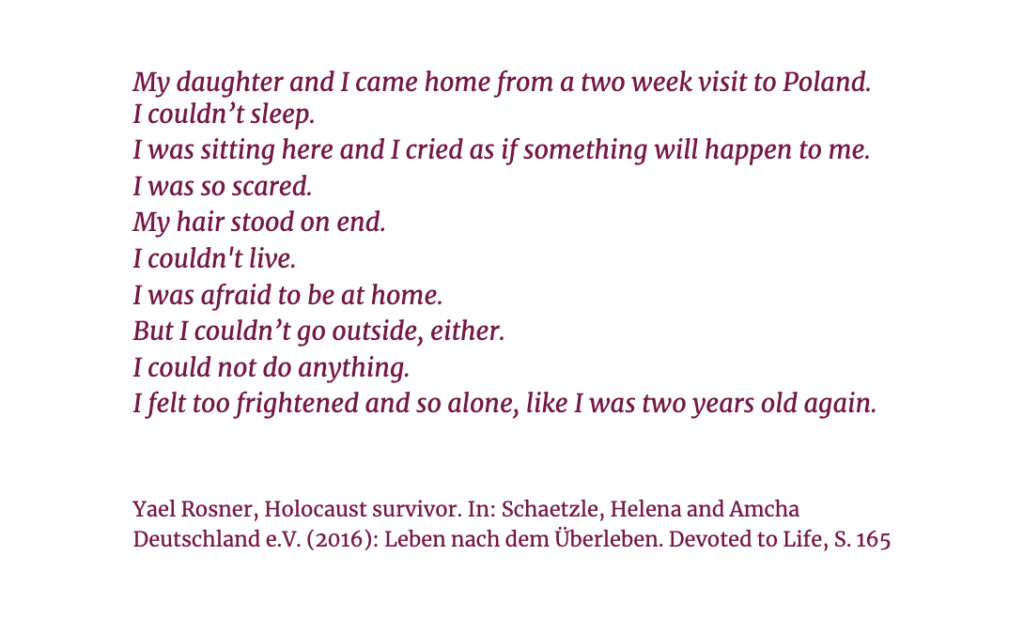
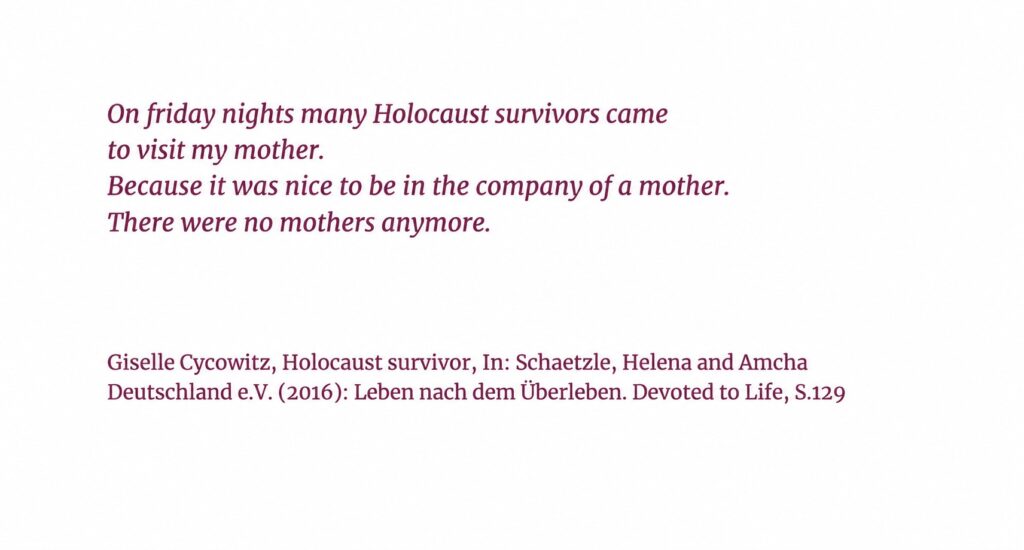
Transgenerational Epigenetics of Trauma - the Shoah, Antisemitism, and Racism