Trauma in Art & Practice
Collection of artworks, images and exhibitions photos related to transsomatic trauma
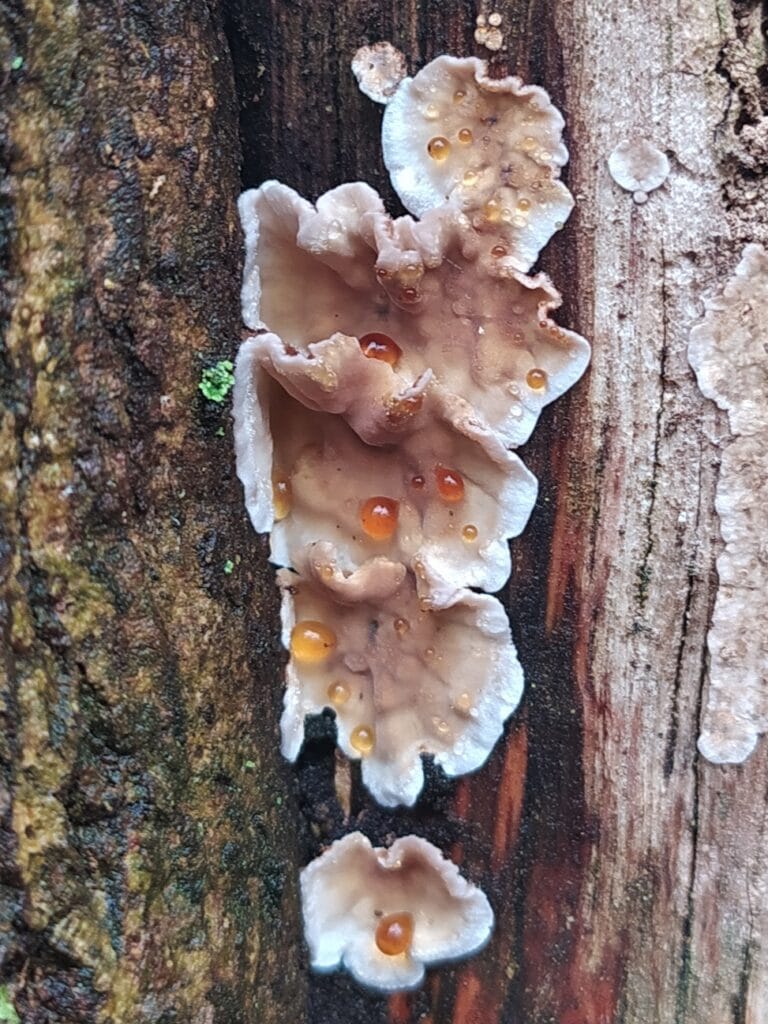
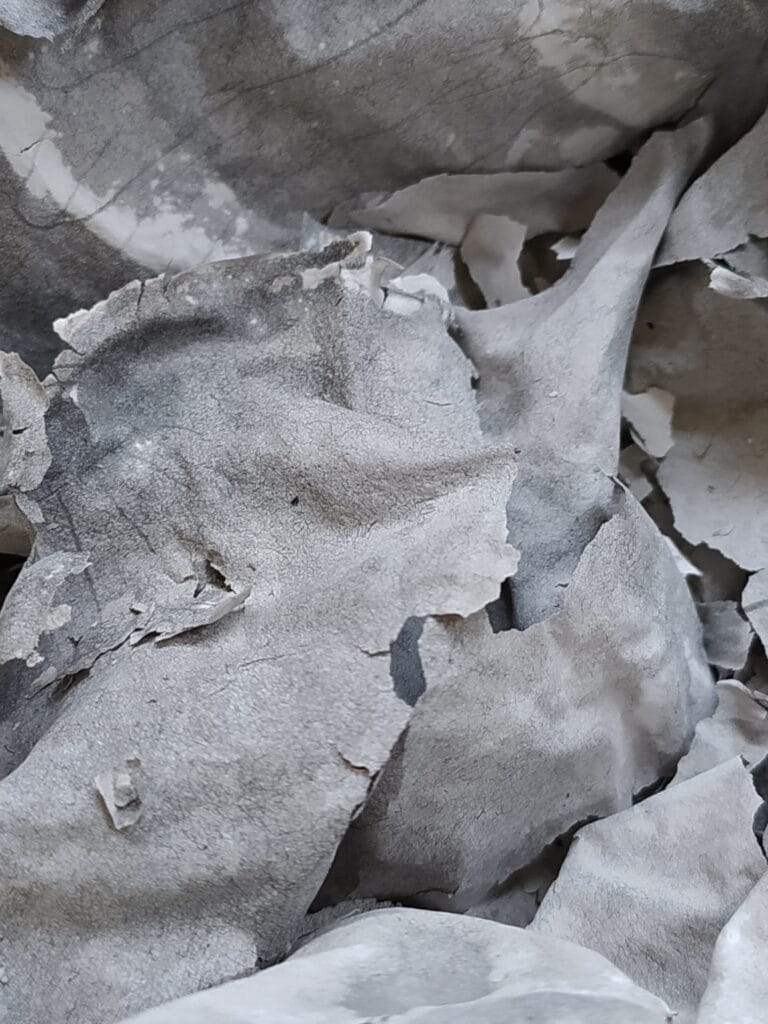 Can we see ourselves reflected in surfaces, structures and textures? Dorothee Krings (Berlin) has been, and continues to be, a photographer, amongst many other things. In recent years, she has organised private ‘trauma salons’, where participants could share personal perspectives on their own histories, their wounds and how they cope with them. For her, macro photography is an imaging technique that visually reveals what seems impossible: the deeper layers of time. Her images speak of the fragility of our world and, by extension, of our own vulnerability.
Somatic Memory of Historical Violence
Transgenerational Epigenetics of Trauma - the Shoah, Antisemitism, and Racism

STREAM
This is a collection of artistic works, impressions, images, and quotations on the theme of the transgenerational transmission of trauma and the body’s memory of violence. These are materials by other creators who have made their impressions and images available to us.
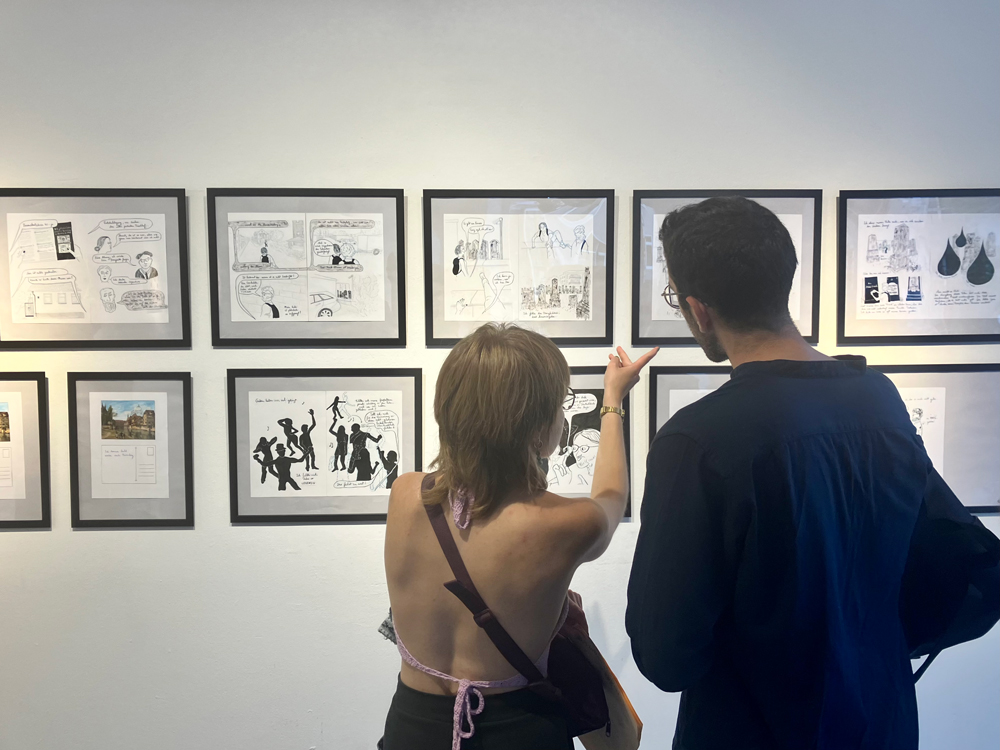
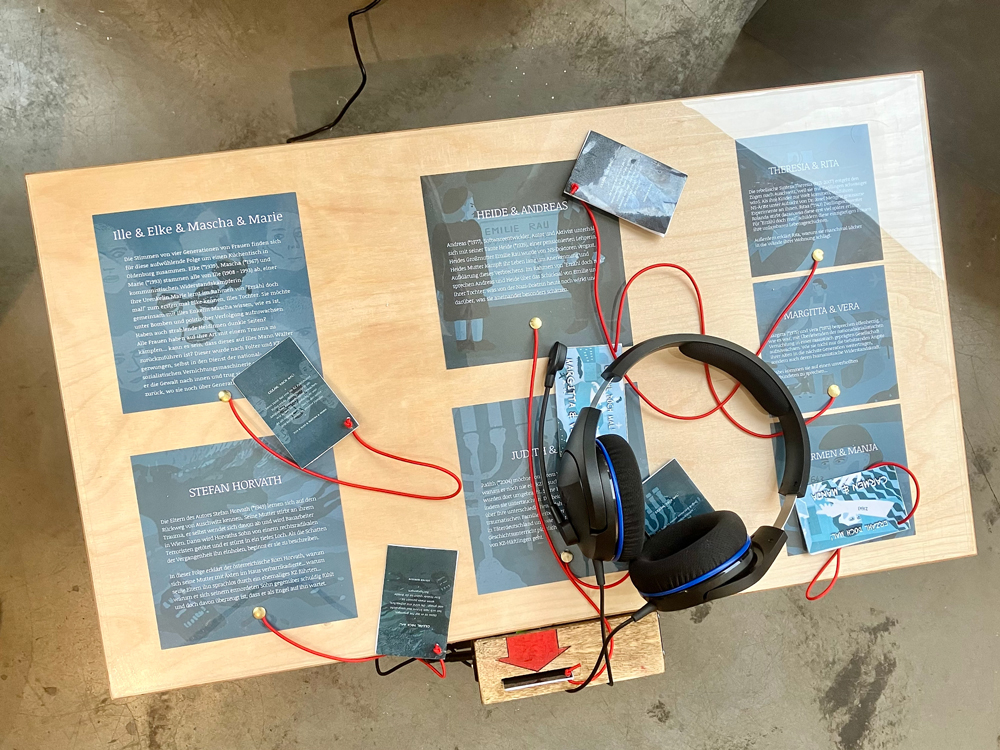
Exhibition visitors in front of works from the graphic novel series “Gestern haben wir viel getanzt” (“Yesterday we danced a lot”) by illustrator Nathalie Frank, Berlin 2023.
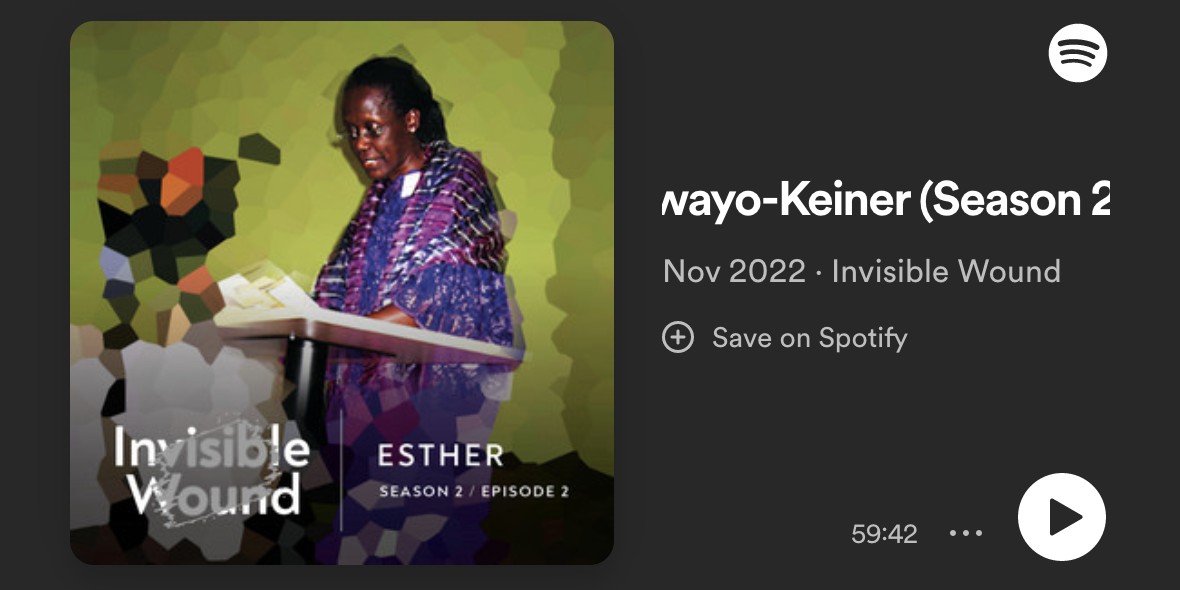
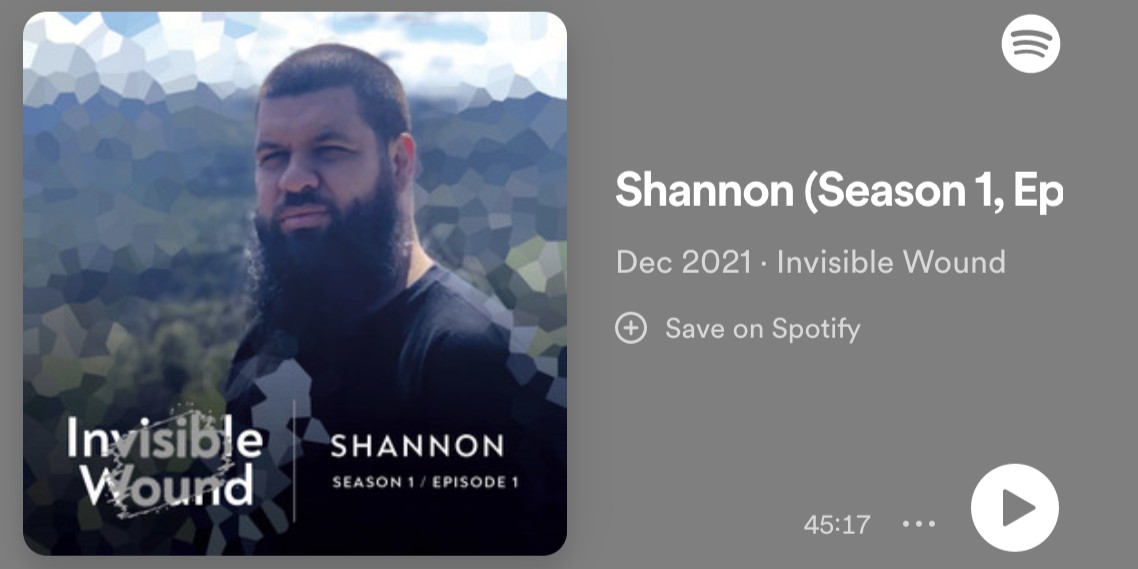
“Invisible wound” – Podcast by Sharon Ryba-Kahn. In the second season she meets international artists and trauma experts to explore what transgenerational trauma means to them.
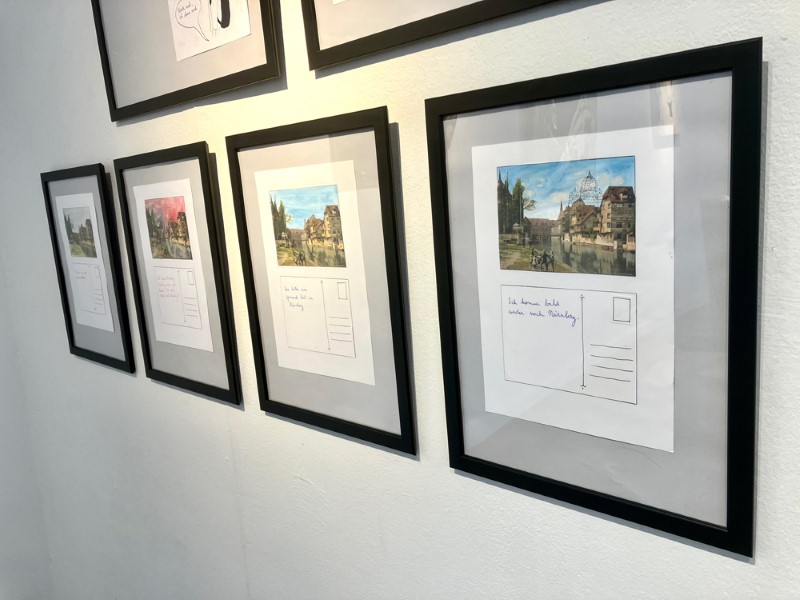
A part of the graphic series Postcard from Nuremberg by illustrator Nathalie Frank, Berlin 2023
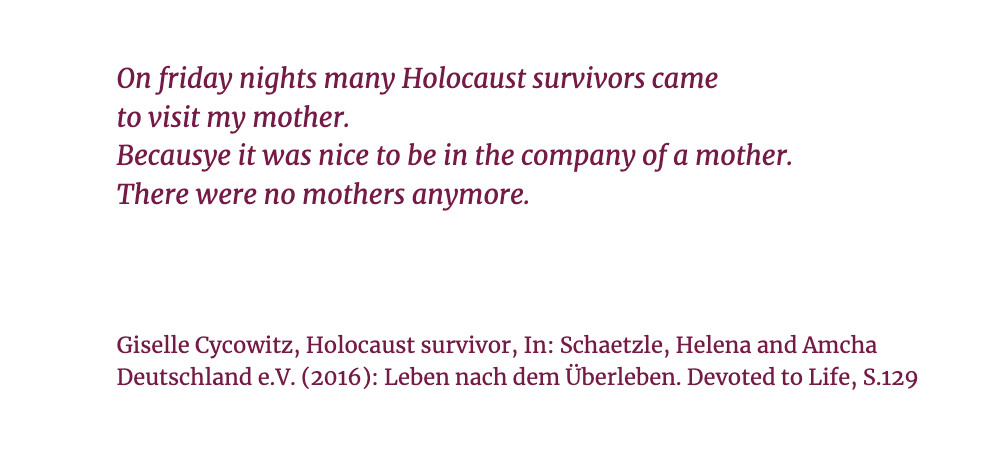
Quoted from the book “Devoted to Life” about the lives of Holocaust survivors and their families in Israel, book by Helena Schätzle und Amcha Deutschland e.V.
invisiblewound7
Esther is a psychotherapist and author from Rwanda who works with refugees in Germany. She is also a survivor of the 1994 genocide, where over one million Tutsi were murdered by Hutus. She speaks from two perspectives, as a trauma expert and as a survivor: beyond the meaning and impact of collective and transgenerational trauma. Esther talks about the meaning of good and evil in each of us and in the context of her life and what healing from such massive trauma entails. She shares experiences with us from her personal and professional life.
The widows association AVEGA AGAHOZO Book by Esther Mujawayo (in german and french)

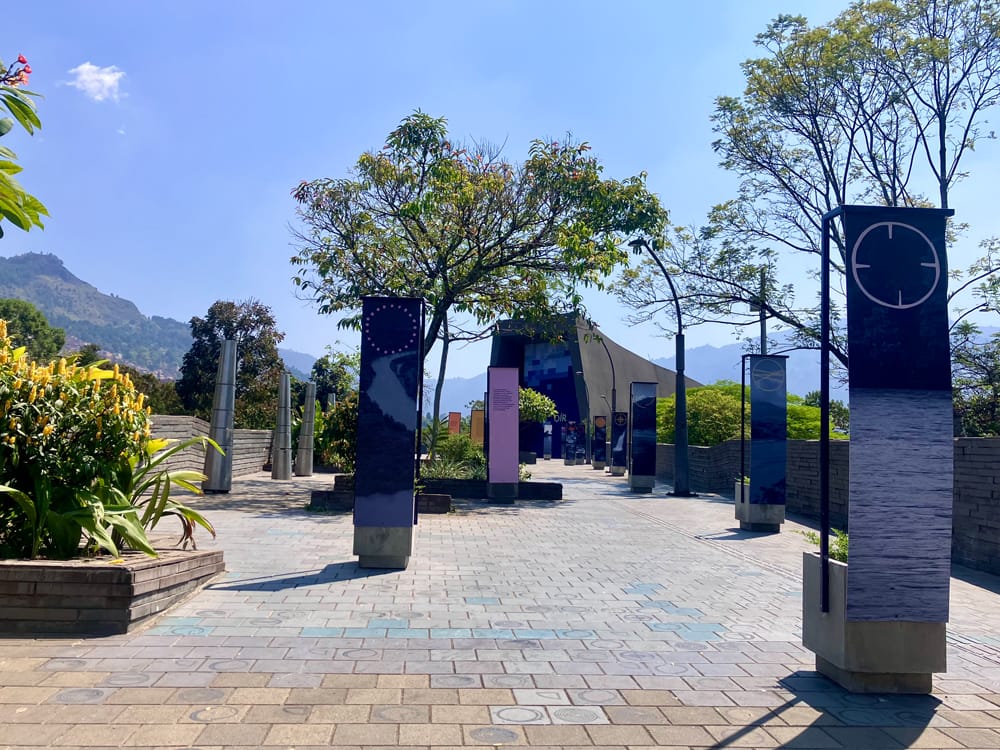
Understanding these losses enables us to grasp the extent of the damage and to sense the vast universe of suffering, longing and lost love that intertwines with our projections of the past, the loneliness of the present and the challenge of building a future. Exterior view of the Museo Casa de la Memoria (House of Memory) in Medellín, Colombia, 2023. LINK
invisiblewounds1
Shannon discusses his understanding of trauma through his life and his work with Aboriginal kids, and in his work as an Aboriginal artist. He is amazing at improvising, and you will discover what this means in the episode. The Podcast “Invisible Wound” of Sharon Ryba-Kahn is part of the project “Hakara – facing transgenerational trauma” by AMCHA Germany.

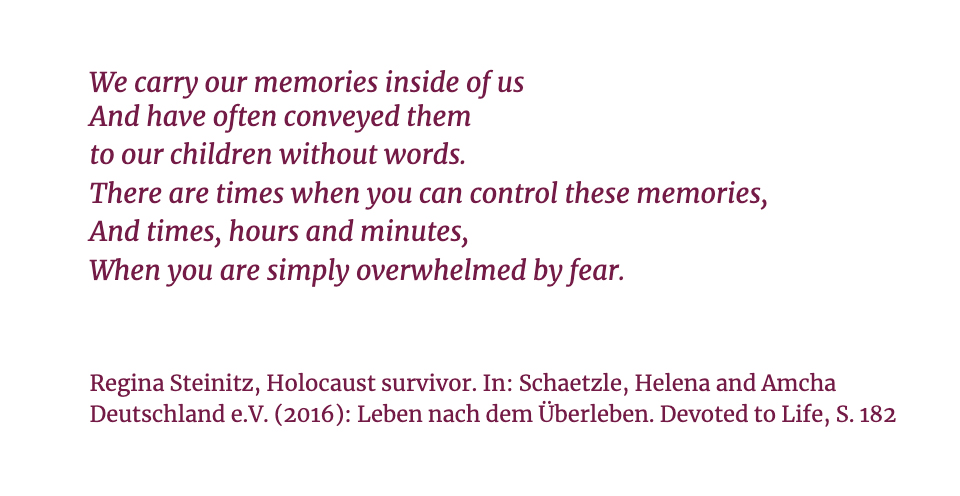
Quoted from the book “Devoted to Life” about the lives of Holocaust survivors and their families in Israel, book by Helena Schätzle und Amcha Deutschland e.V.
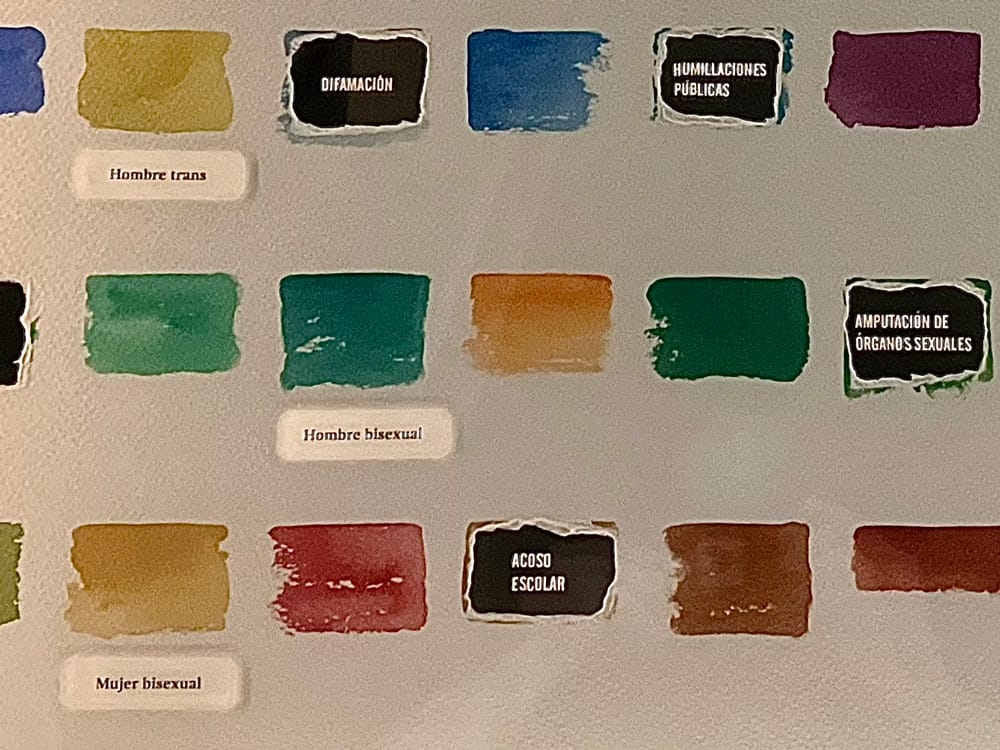
The crimes committed against the LGBTIQ community as a result of societal prejudice are brutal and varied, and have deeply traumatised an entire generation. Their struggle for civil liberties embodies the courage to be who they are and to love whom they wish to love. The harm inflicted on them is also the legacy passed on to the next generation. The question is how they – as individuals and as a community – can come to terms with the past of their elders and the pain inflicted upon them. Display case at the Museo Casa de la Memoria (House of Memory) in Medellín, Colombia, 2023. LINK
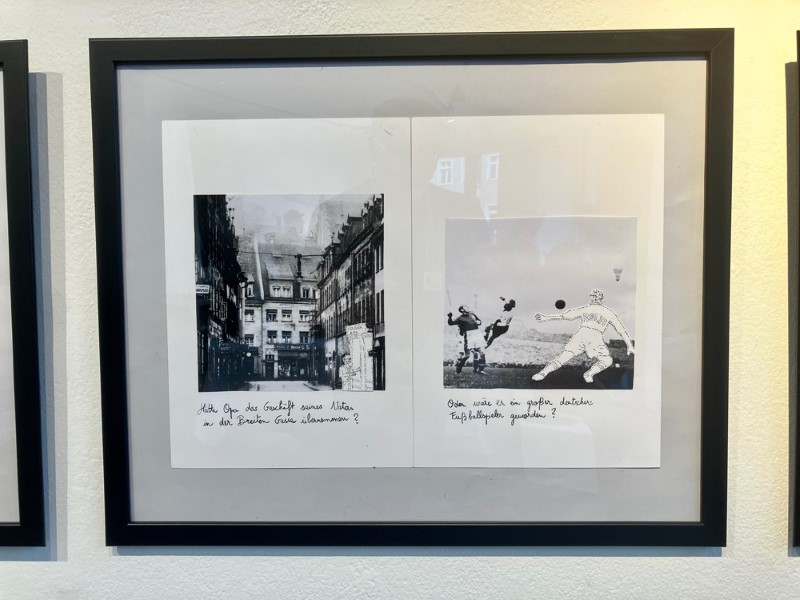
An illustration of the work “Gestern haben wir viel getanzt” (Yesterday we danced a lot) by the artist Nathalie Frank, Berlin 2023
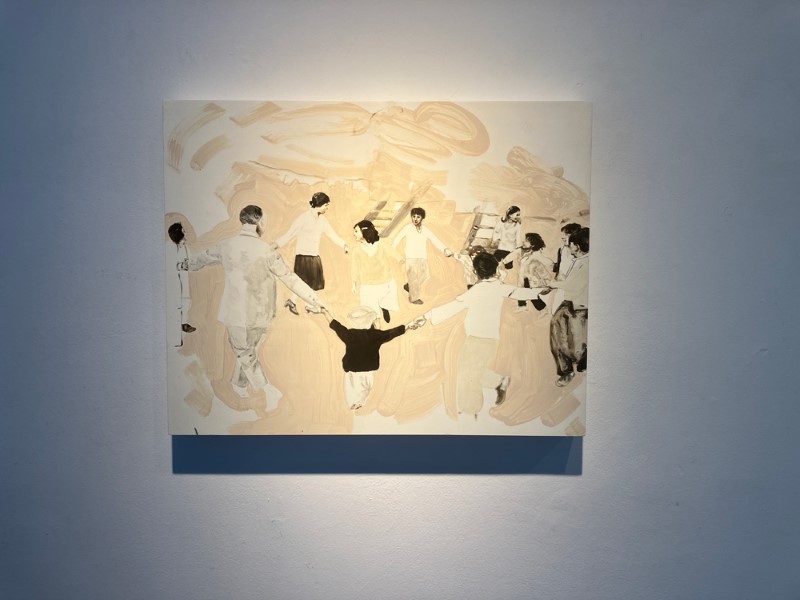
Memoria (2021-2022) by Jessica Rimondi in the exhibition liminal landscapes, Summer Berlin 2023
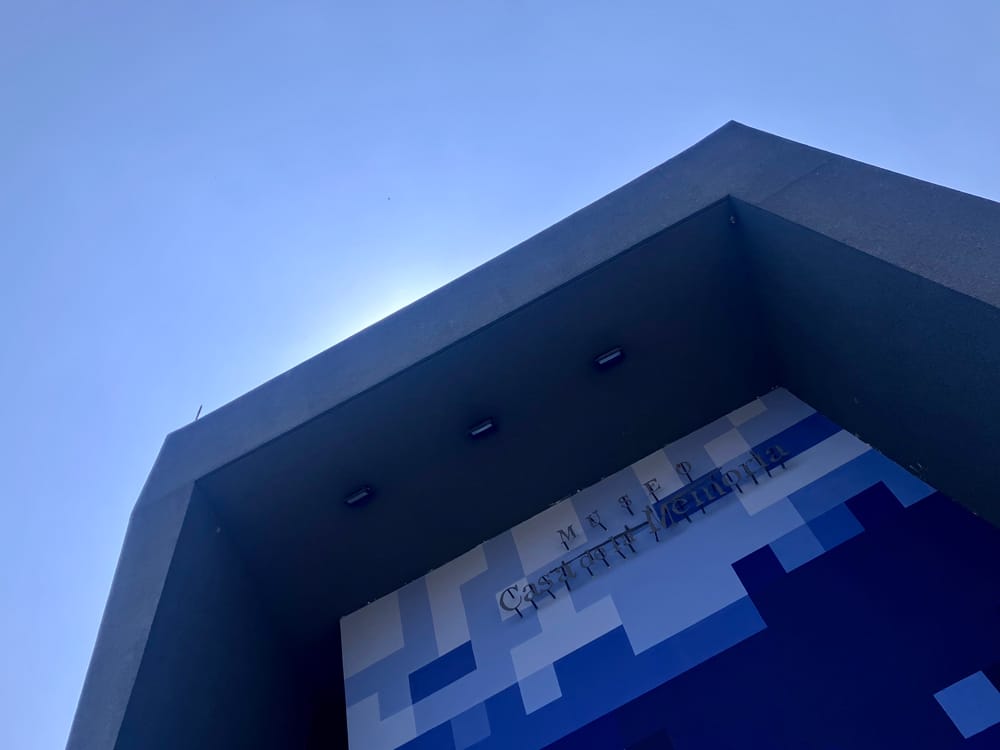
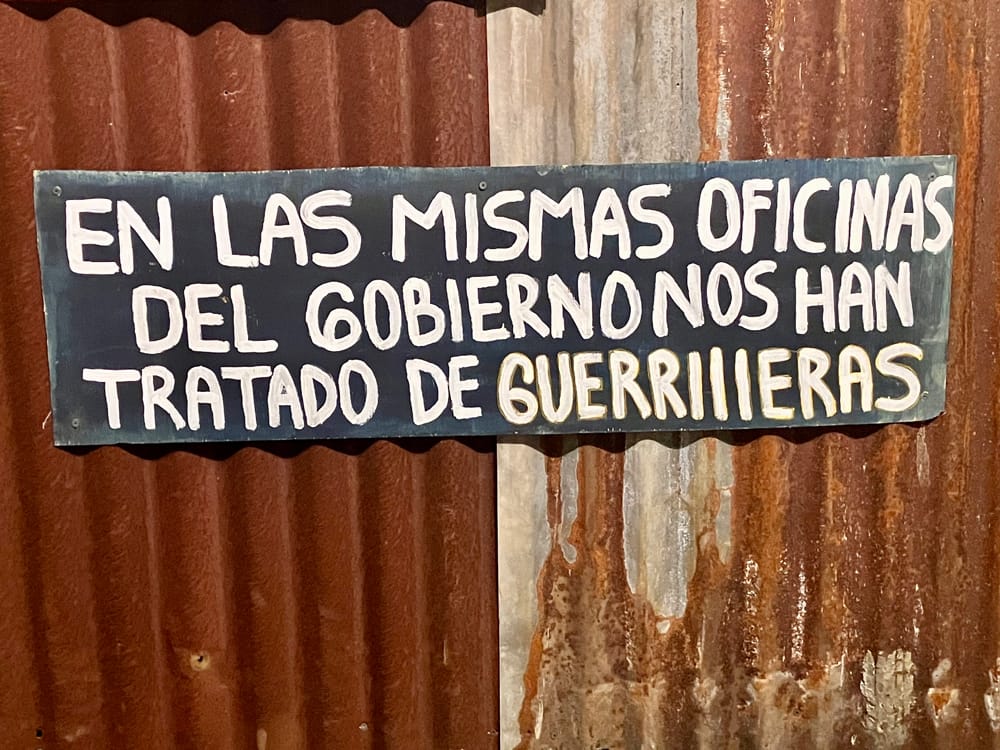
Memories of violence and resistance – The Museo Casa de la Memoria (House of Memory) in Medellín/COL has existed since 2011 and is the first museum in the country to focus on the victims and perpetrators of decades of armed conflict, civil wars and drug gang wars. One focus is on the participation of the descendants and their trauma and memories. LINK
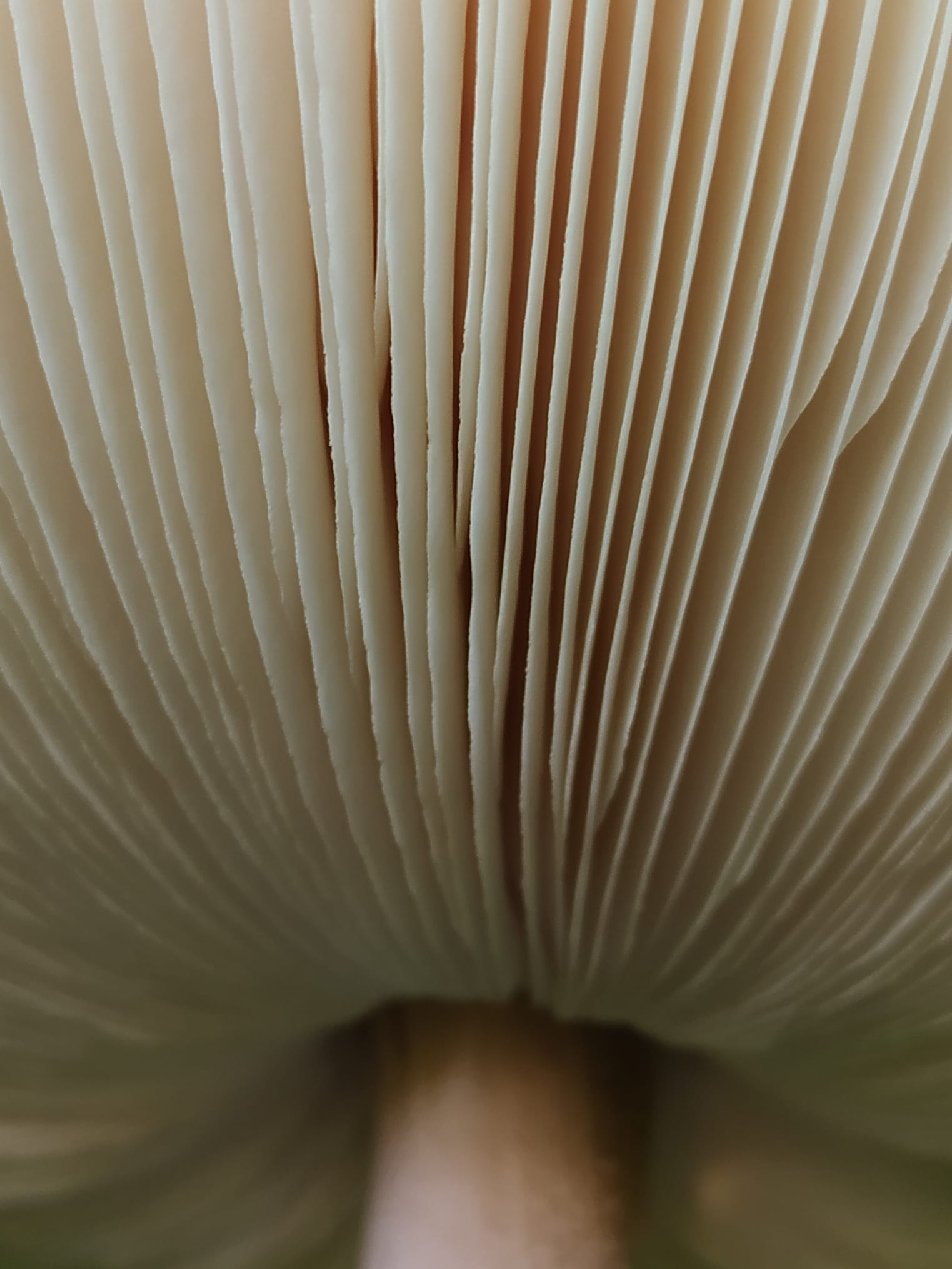
Can we see ourselves reflected in surfaces, structures and textures? Dorothee Krings (Berlin) has been, and continues to be, a photographer, amongst many other things. In recent years, she has organised private ‘trauma salons’, where participants could share personal perspectives on their own histories, their wounds and how they cope with them. For her, macro photography is an imaging technique that visually reveals what seems impossible: the deeper layers of time. Her images speak of the fragility of our world and, by extension, of our own vulnerability.
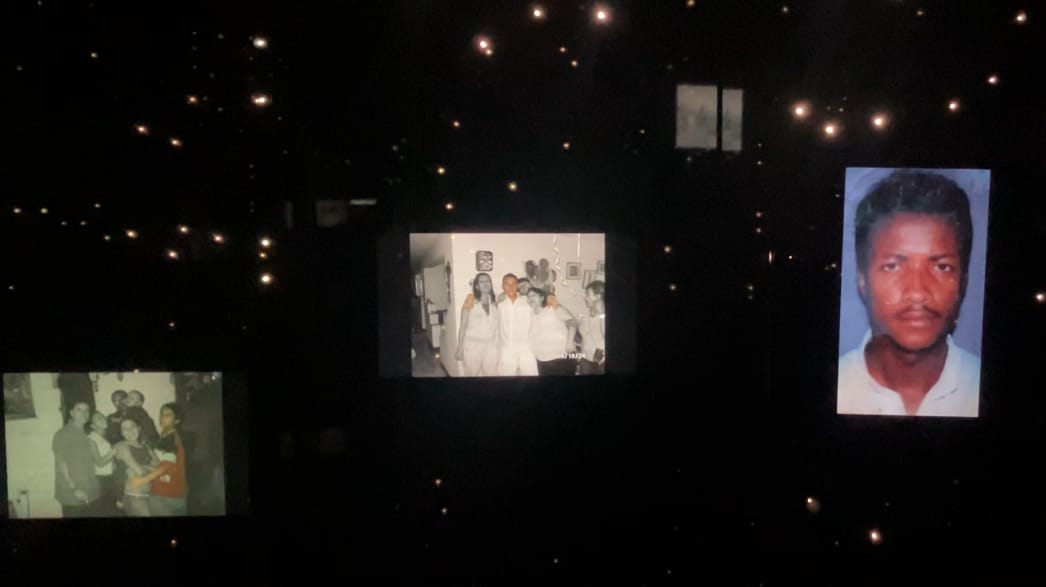
Whilst not denying that silence or the need to forget are also options for victims, the Museo Casa de la Memoria (House of Memory) in Medellín, Colombia, invites the public to listen and show solidarity with the pain of others, to confront the stories that are waiting to come to light, that want to be heard and processed together, in order to find a way out of what is even more painful when experienced alone. LINK
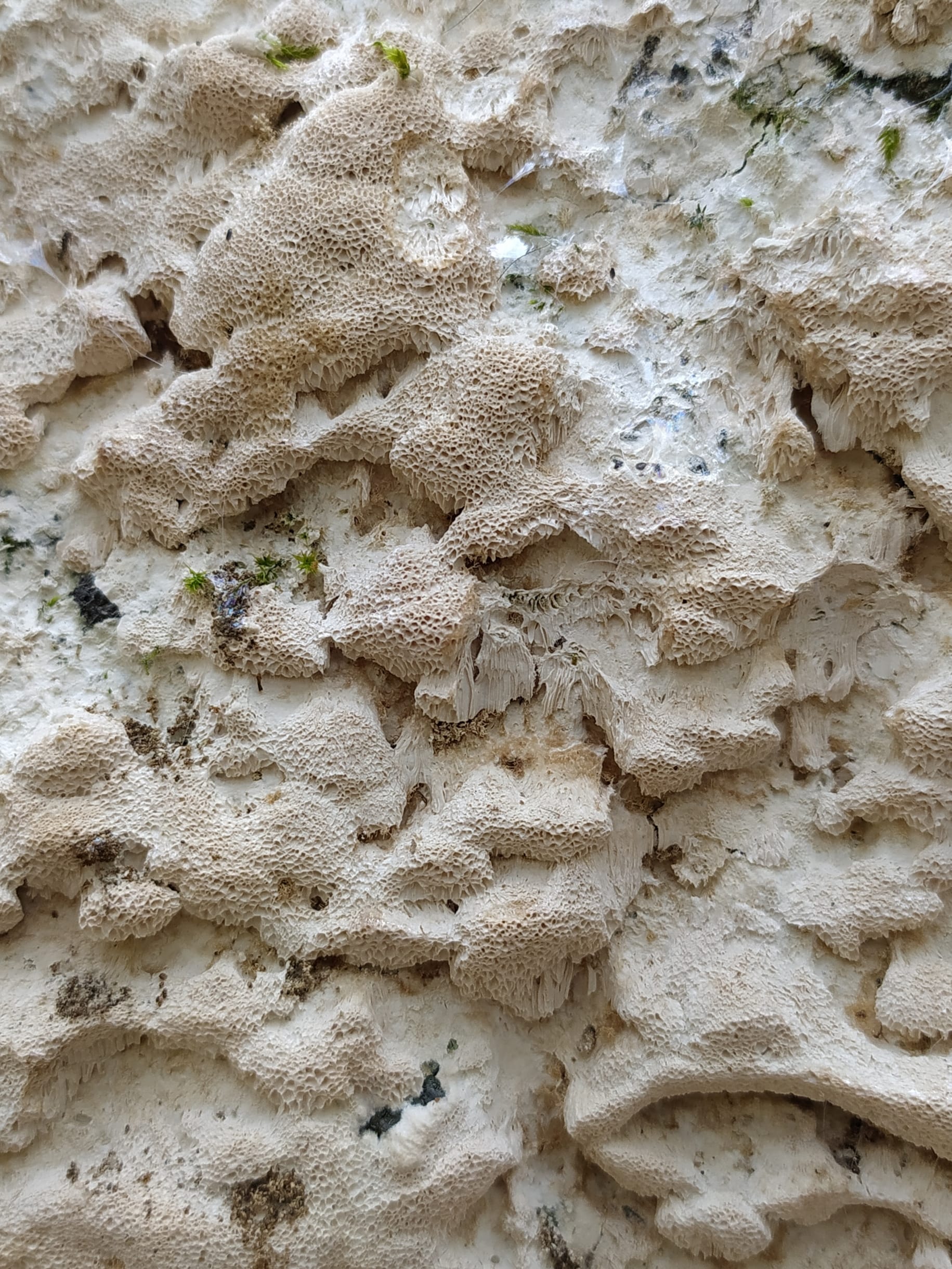
Can we see ourselves reflected in surfaces, structures and textures? Dorothee Krings (Berlin) has been, and continues to be, a photographer, amongst many other things. In recent years, she has organised private ‘trauma salons’, where participants could share personal perspectives on their own histories, their wounds and how they cope with them. For her, macro photography is an imaging technique that visually reveals what seems impossible: the deeper layers of time. Her images speak of the fragility of our world and, by extension, of our own vulnerability.
All image content is shown here for educational purposes according to the fair use principle. If we have inadvertently infringed any image rights, please write to us (contact details in the legal notice) and we will remove the content immediately. Unless otherwise stated: Photos by F. Springer.