Somatic Memory of Historical Violence

Transgenerational Epigenetics of Trauma - the Shoah, Antisemitism, and Racism

Somatic Memory of Historical Violence

Transgenerational Epigenetics of Trauma -
the Shoah, Antisemitism, and Racism

Trauma in Art & Practice

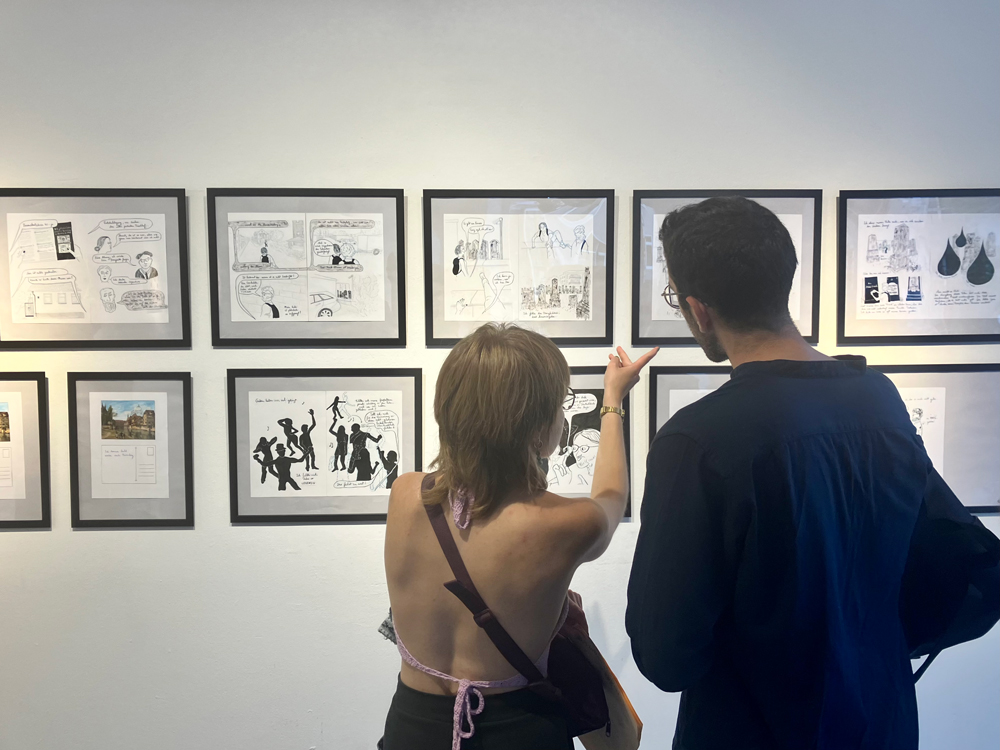
Collection of artworks, images and exhibitions photos related to transsomatic trauma

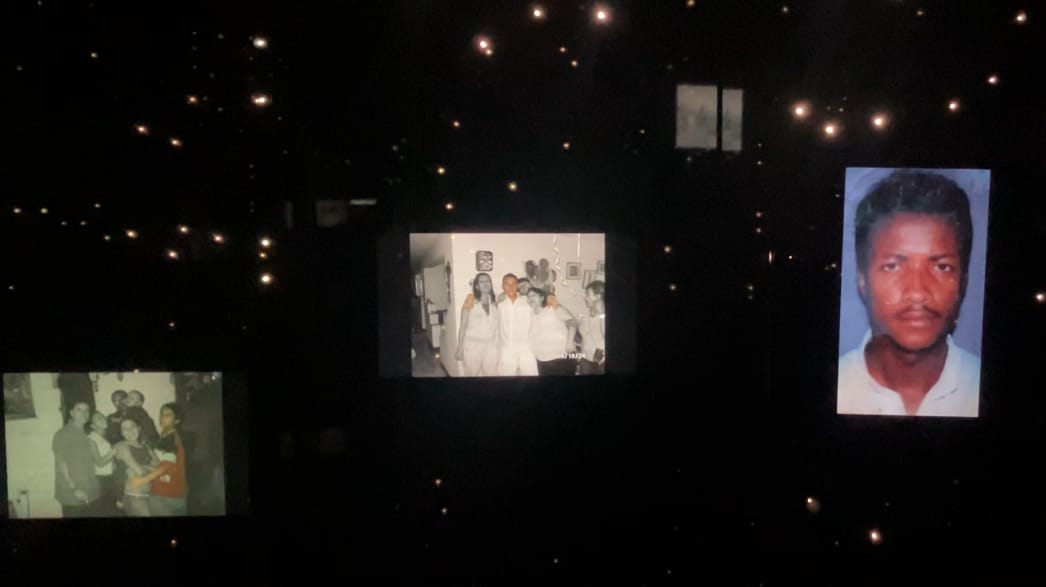
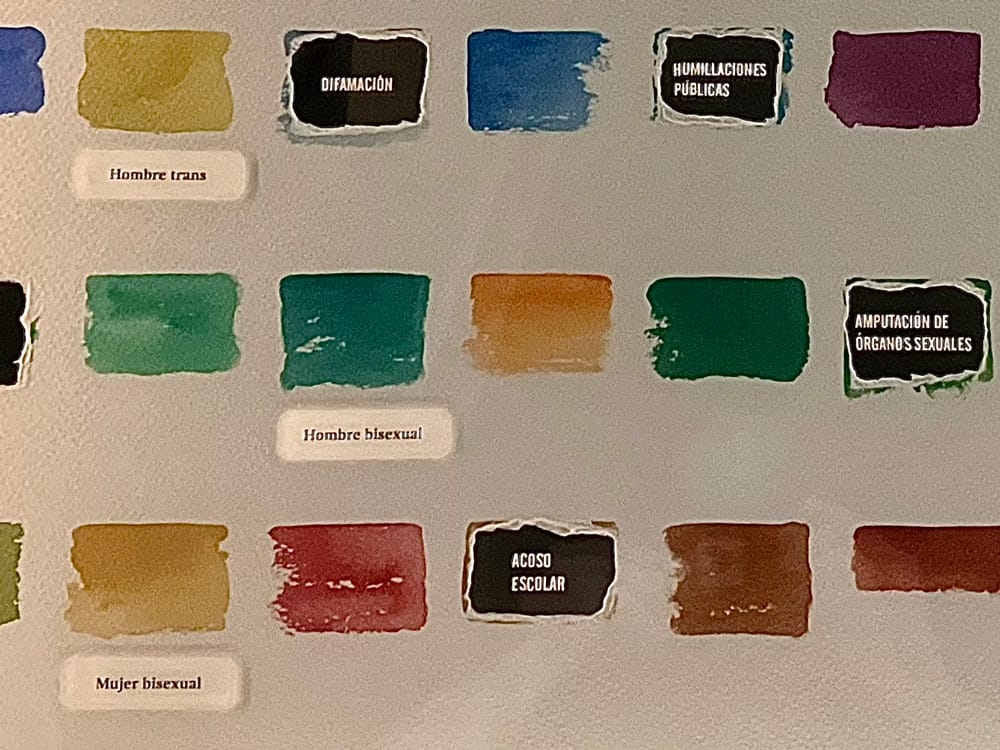
  • The crimes committed against the LGBTIQ community as a result of societal prejudice are brutal and varied, and have deeply traumatised an entire generation. Their struggle for civil liberties embodies the courage to be who they are and to love whom they wish to love. The harm inflicted on them is also the legacy passed on to the next generation. The question is how they – as individuals and as a community – can come to terms with the past of their elders and the pain inflicted upon them. Display case at the Museo Casa de la Memoria (House of Memory) in Medellín, Colombia, 2023. LINK

Somatic Memory of Historical Violence

Transgenerational Epigenetics of Trauma - the Shoah, Antisemitism, and Racism

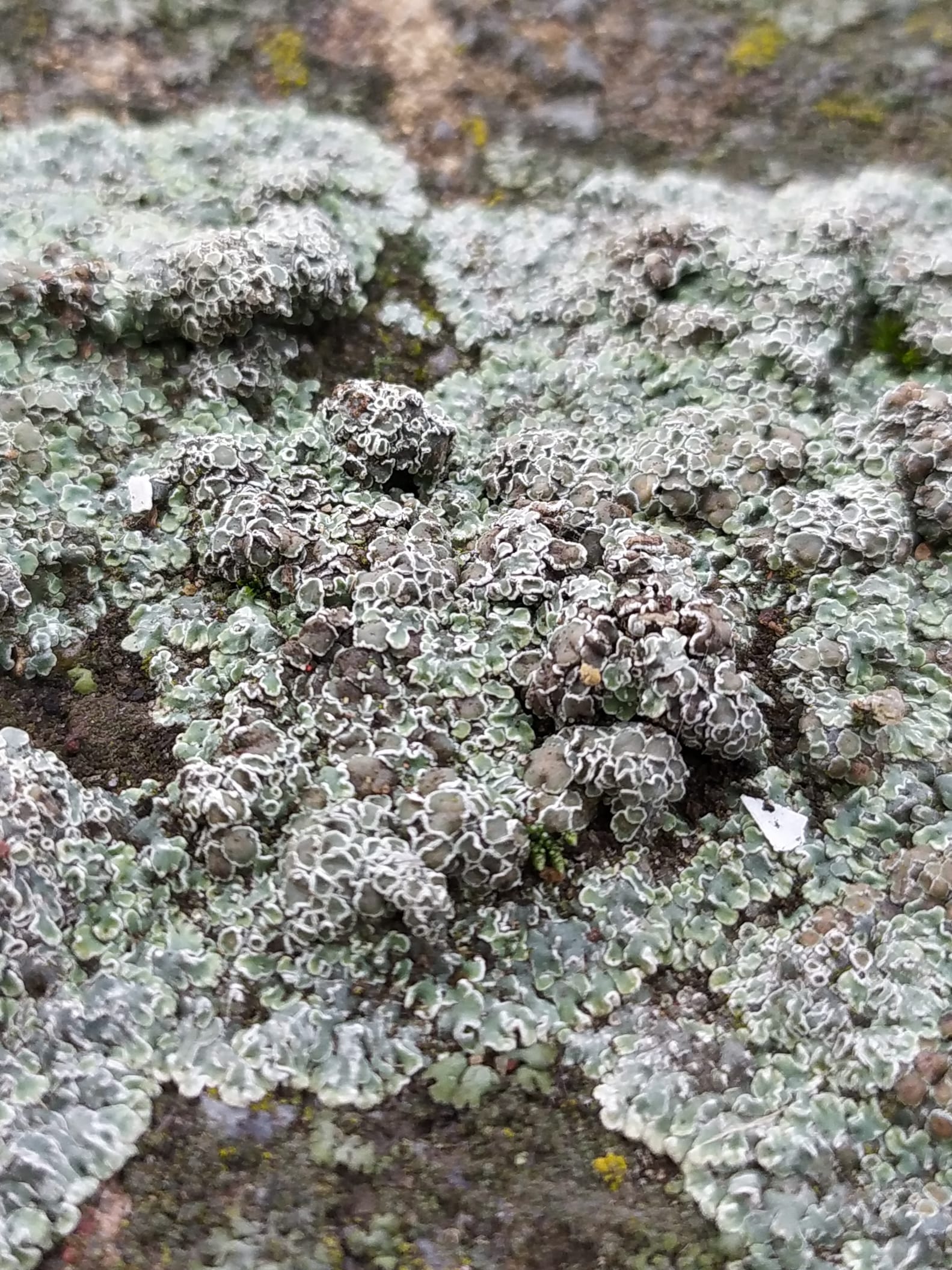
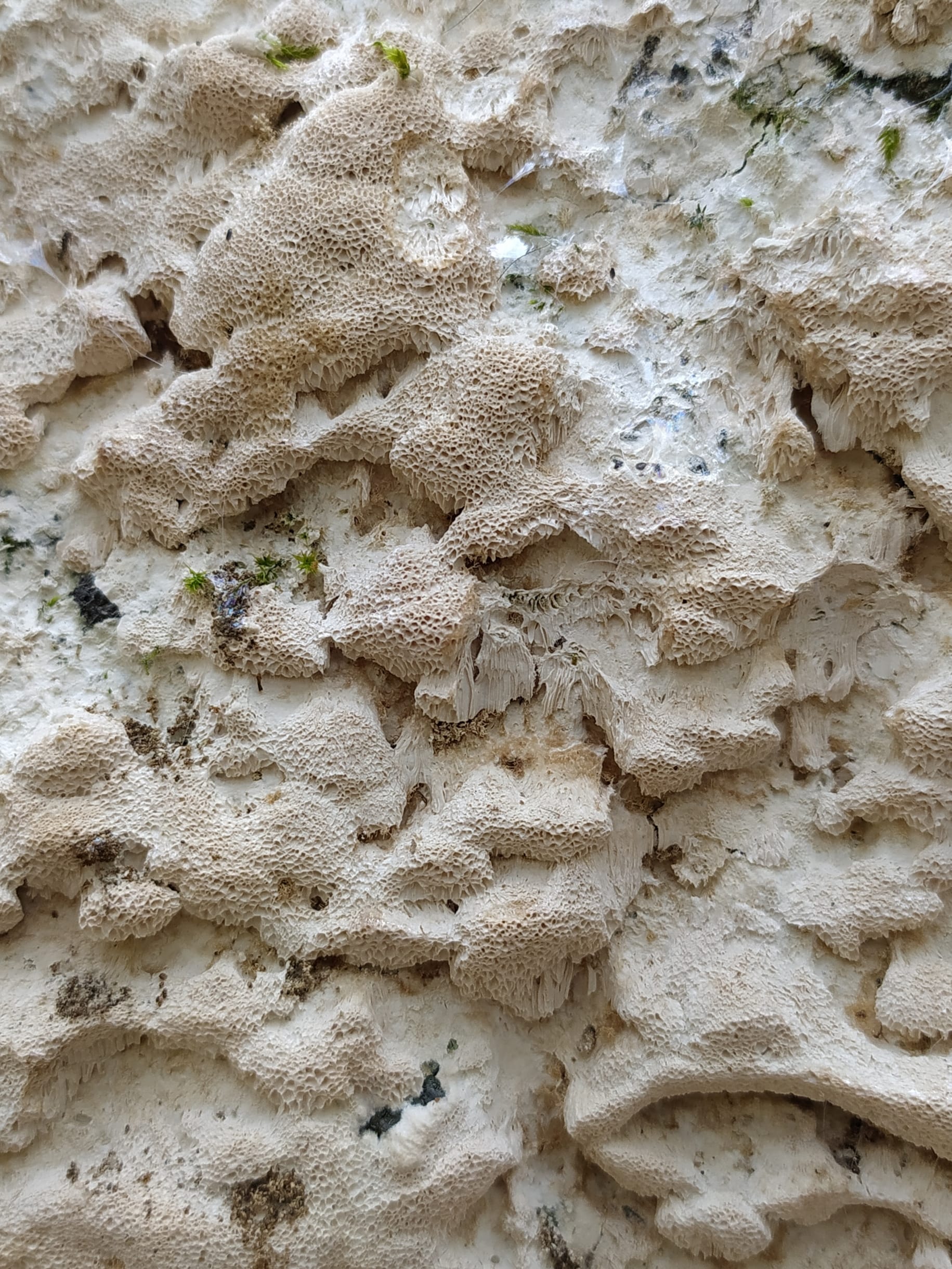
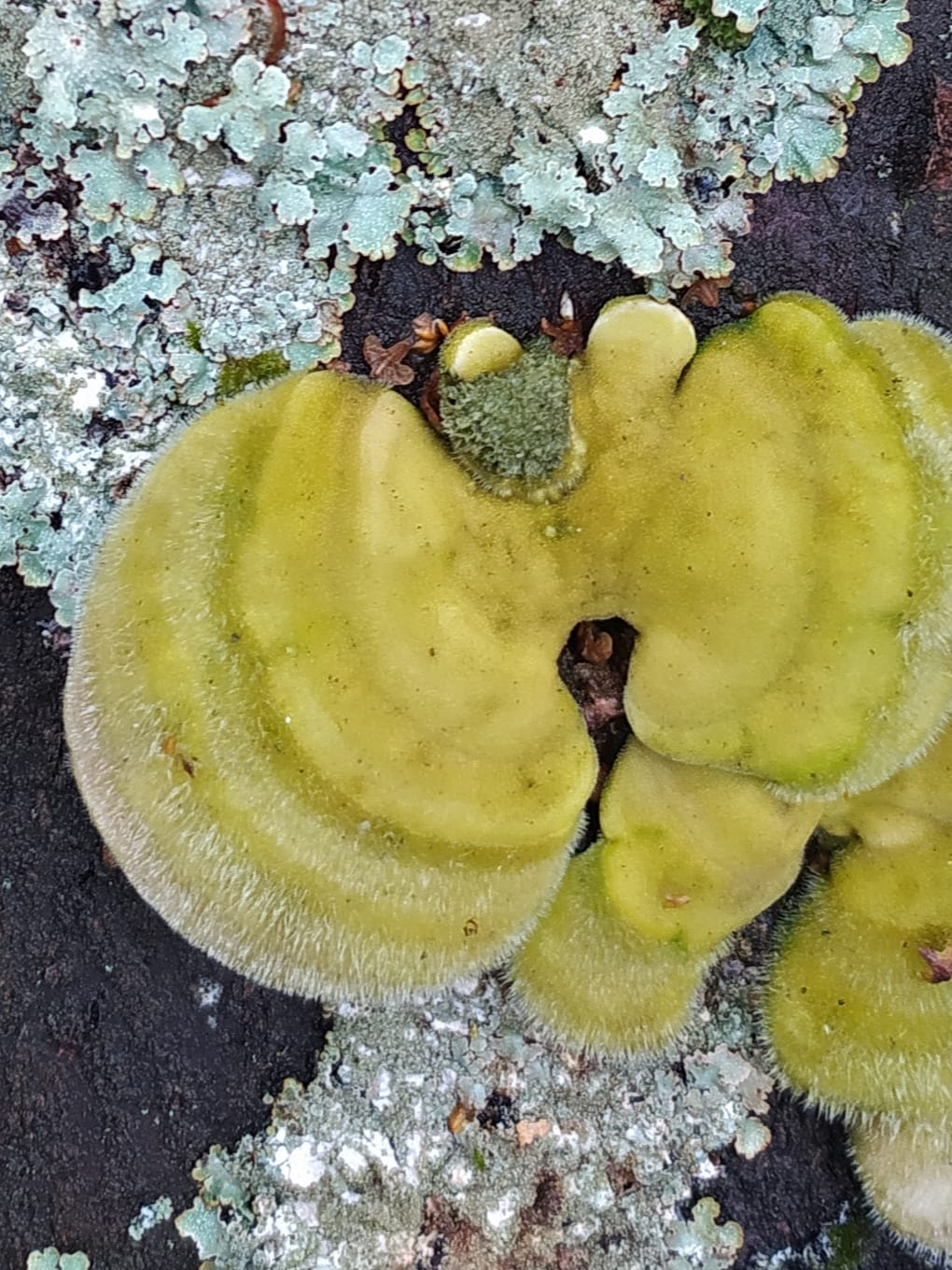
Can we see ourselves reflected in surfaces, structures and textures? Dorothee Krings (Berlin) has been, and continues to be, a photographer, amongst many other things. In recent years, she has organised private ‘trauma salons’, where participants could share personal perspectives on their own histories, their wounds and how they cope with them. For her, macro photography is an imaging technique that visually reveals what seems impossible: the deeper layers of time. Her images speak of the fragility of our world and, by extension, of our own vulnerability.
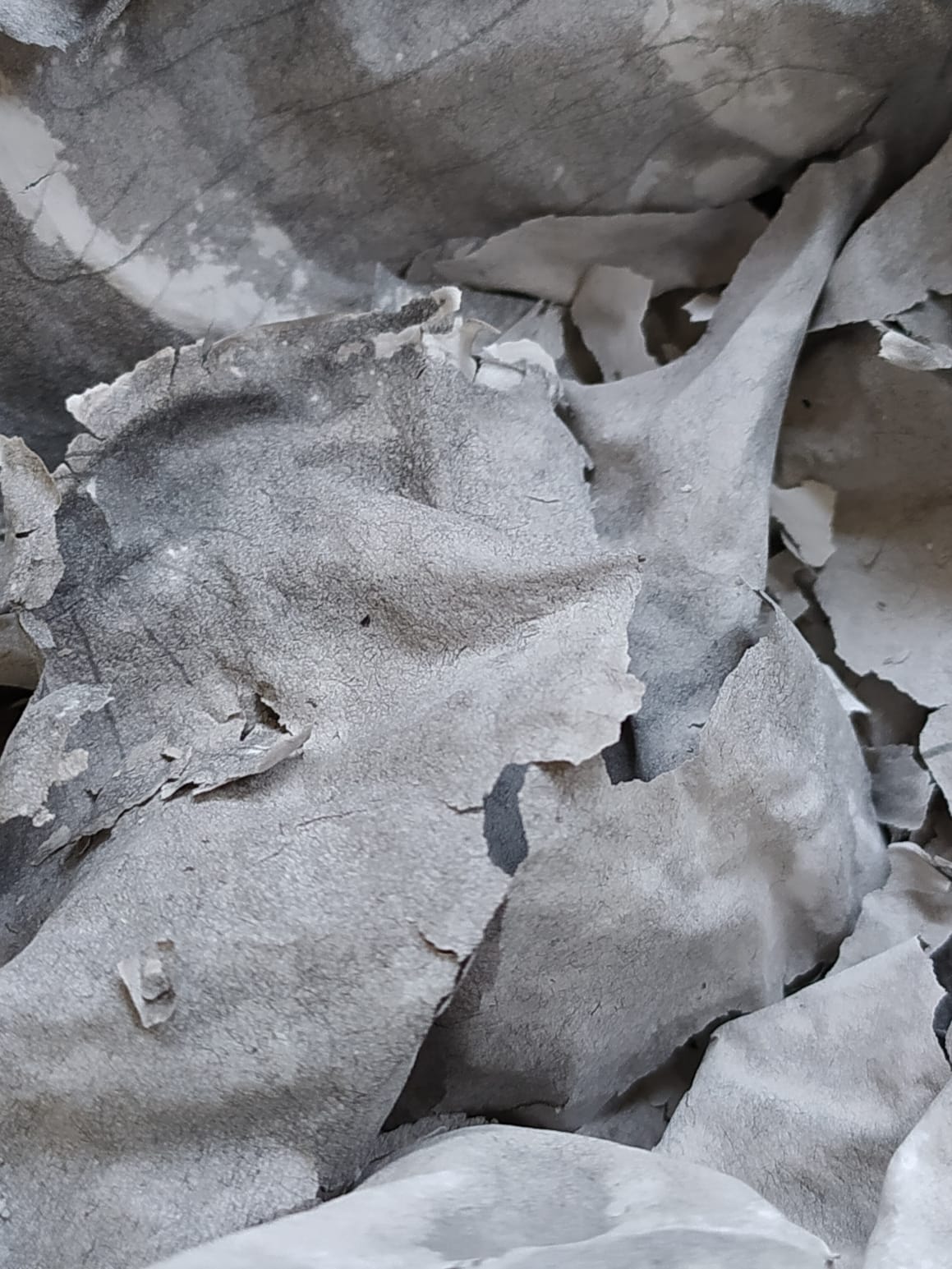
Can we see ourselves reflected in surfaces, structures and textures? Dorothee Krings (Berlin) has been, and continues to be, a photographer, amongst many other things. In recent years, she has organised private ‘trauma salons’, where participants could share personal perspectives on their own histories, their wounds and how they cope with them. For her, macro photography is an imaging technique that visually reveals what seems impossible: the deeper layers of time. Her images speak of the fragility of our world and, by extension, of our own vulnerability.

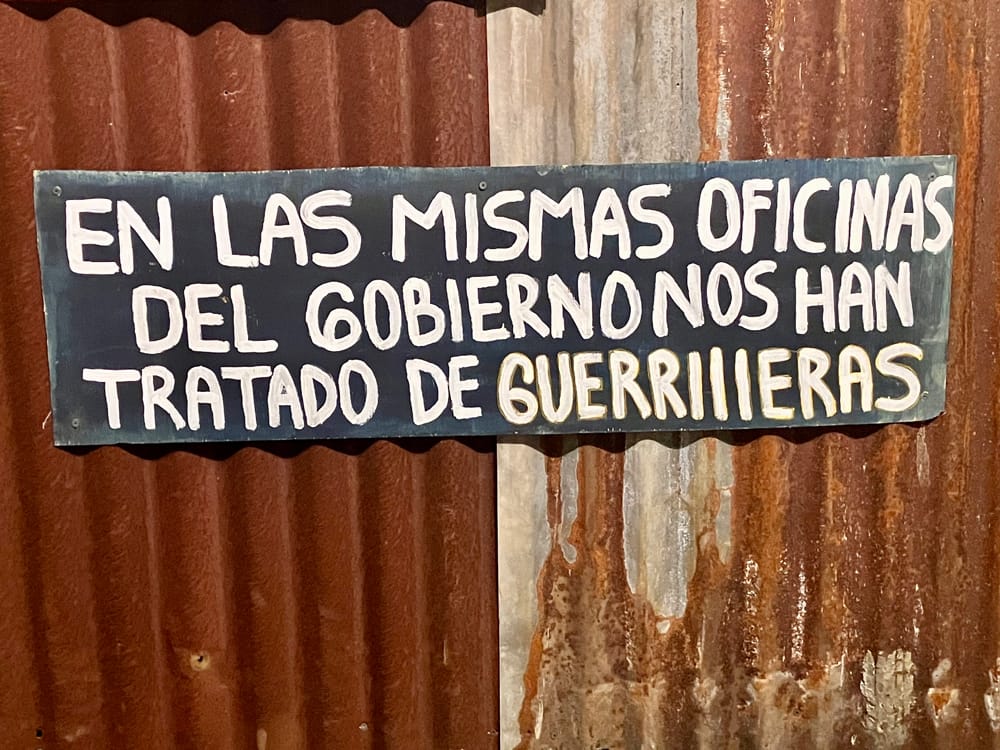
“In those very same government offices, we were treated like guerrillos (underground fighters).” In Colombia’s armed conflicts, the poor rural population – caught in the crossfire of the fight against the guerrilla – has for decades suffered (and continues to suffer) murder, sexual assault and displacement – a never-ending vicious circle of violence and fresh trauma. This vicious circle was broken for the first time in 2016 by the peace agreement between the government and the guerrilla. The Museo Casa de la Memoria (House of Memory) addresses historical crimes and, in doing so, supports the country’s complex peace process. LINK

Can we see ourselves reflected in surfaces, structures and textures? Dorothee Krings (Berlin) has been, and continues to be, a photographer, amongst many other things. In recent years, she has organised private ‘trauma salons’, where participants could share personal perspectives on their own histories, their wounds and how they cope with them. For her, macro photography is an imaging technique that visually reveals what seems impossible: the deeper layers of time. Her images speak of the fragility of our world and, by extension, of our own vulnerability.

Whilst not denying that silence or the need to forget are also options for victims, the Museo Casa de la Memoria (House of Memory) in Medellín, Colombia, invites the public to listen and show solidarity with the pain of others, to confront the stories that are waiting to come to light, that want to be heard and processed together, in order to find a way out of what is even more painful when experienced alone. LINK

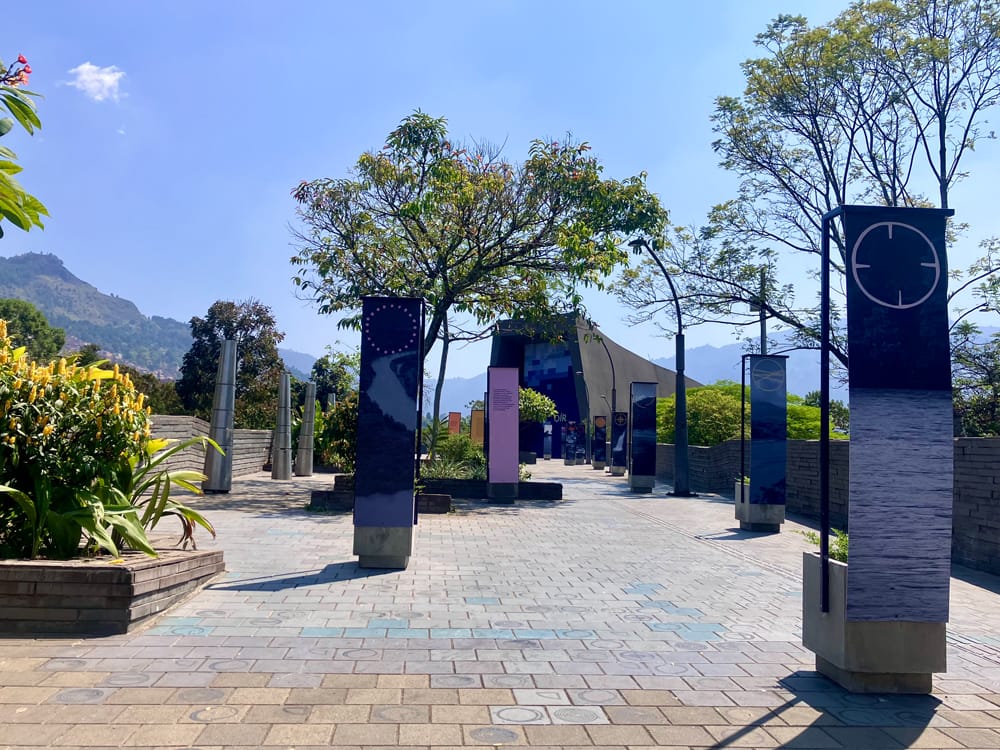
Understanding these losses enables us to grasp the extent of the damage and to sense the vast universe of suffering, longing and lost love that intertwines with our projections of the past, the loneliness of the present and the challenge of building a future. Exterior view of the Museo Casa de la Memoria (House of Memory) in Medellín, Colombia, 2023. LINK

Can we see ourselves reflected in surfaces, structures and textures? Dorothee Krings (Berlin) has been, and continues to be, a photographer, amongst many other things. In recent years, she has organised private ‘trauma salons’, where participants could share personal perspectives on their own histories, their wounds and how they cope with them. For her, macro photography is an imaging technique that visually reveals what seems impossible: the deeper layers of time. Her images speak of the fragility of our world and, by extension, of our own vulnerability.


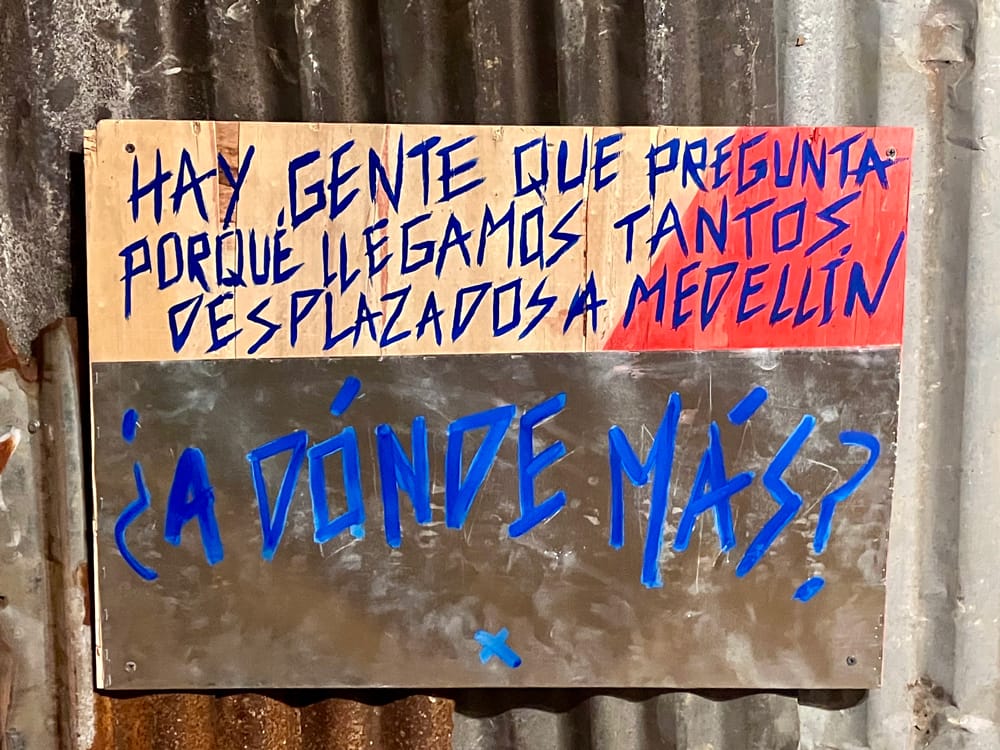
“There are people who ask why so many displaced people come to Medellín. Where else would they go?” – Due to armed conflicts, drug trafficking and traumatic experiences of violence – often following the murder of their relatives – many Colombian families are forced to leave their homes and land and make a fresh start as “landless” people in the major cities. – The Museo Casa de la Memoria (House of Memory) in Medellín, Colombia, focuses on the “participatory construction of memory through community curators” and addresses traumatic experiences in a completely new way. LINK

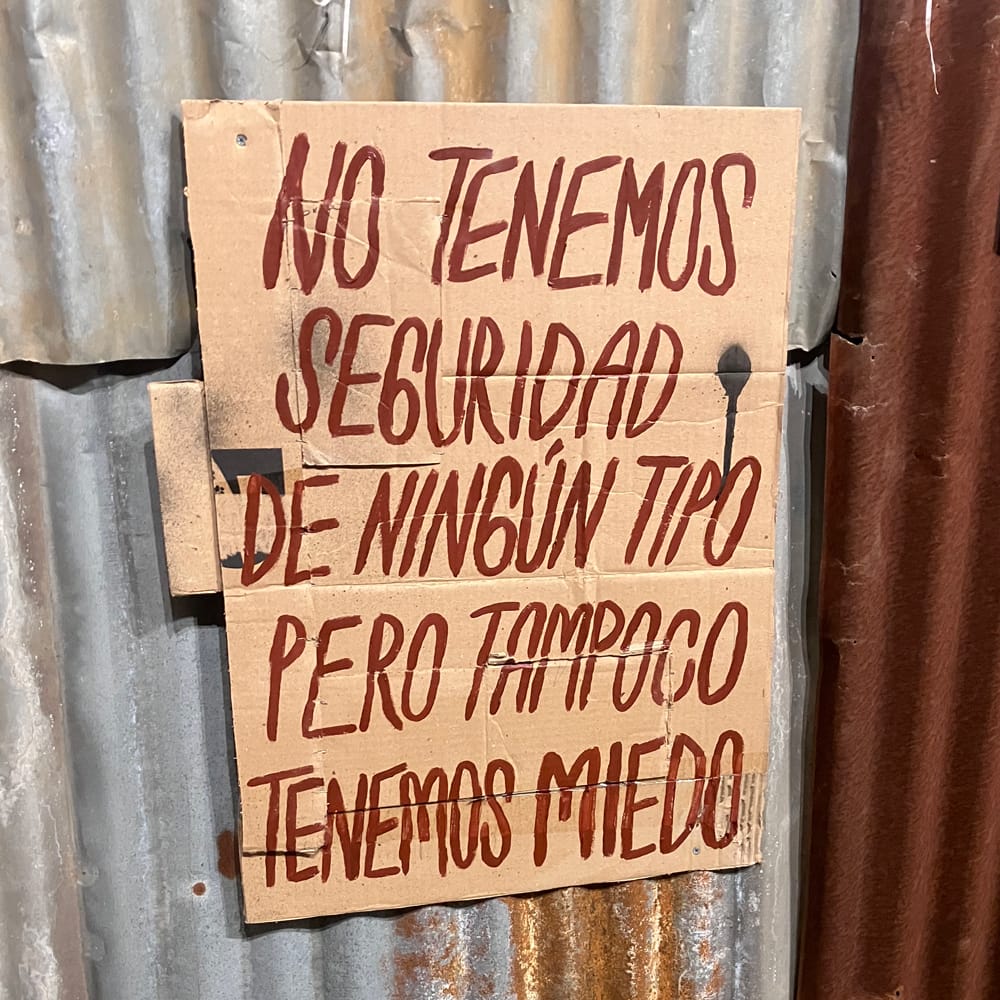
“We have no security whatsoever, but we are not afraid either” – words. A key to reflecting on war and violence: they give us the opportunity to analyse war, its protagonists and what we have experienced. To understand complex concepts, we draw on metaphors.
Display case in the permanent exhibition at the Museo Casa de la Memoria (House of Memory) in Medellín, Colombia, 2023. kennen, erzählen uns so viele Geschichten. Museo Casa de la Memoria (Haus der Erinnerung) in Medellín/COL 2023. LINK

Whispers. – Stories that make you scream. Many traumatic war experiences remain hidden. Many victims are scarred by deep horrors that are just as painful as the indifference and enforced silence that go hand in hand with fear and impunity. LINK

Can we see ourselves reflected in surfaces, structures and textures? Dorothee Krings (Berlin) has been, and continues to be, a photographer, amongst many other things. In recent years, she has organised private ‘trauma salons’, where participants could share personal perspectives on their own histories, their wounds and how they cope with them. For her, macro photography is an imaging technique that visually reveals what seems impossible: the deeper layers of time. Her images speak of the fragility of our world and, by extension, of our own vulnerability. LINK


The crimes committed against the LGBTIQ community as a result of societal prejudice are brutal and varied, and have deeply traumatised an entire generation. Their struggle for civil liberties embodies the courage to be who they are and to love whom they wish to love. The harm inflicted on them is also the legacy passed on to the next generation. The question is how they – as individuals and as a community – can come to terms with the past of their elders and the pain inflicted upon them. Display case at the Museo Casa de la Memoria (House of Memory) in Medellín, Colombia, 2023. LINK

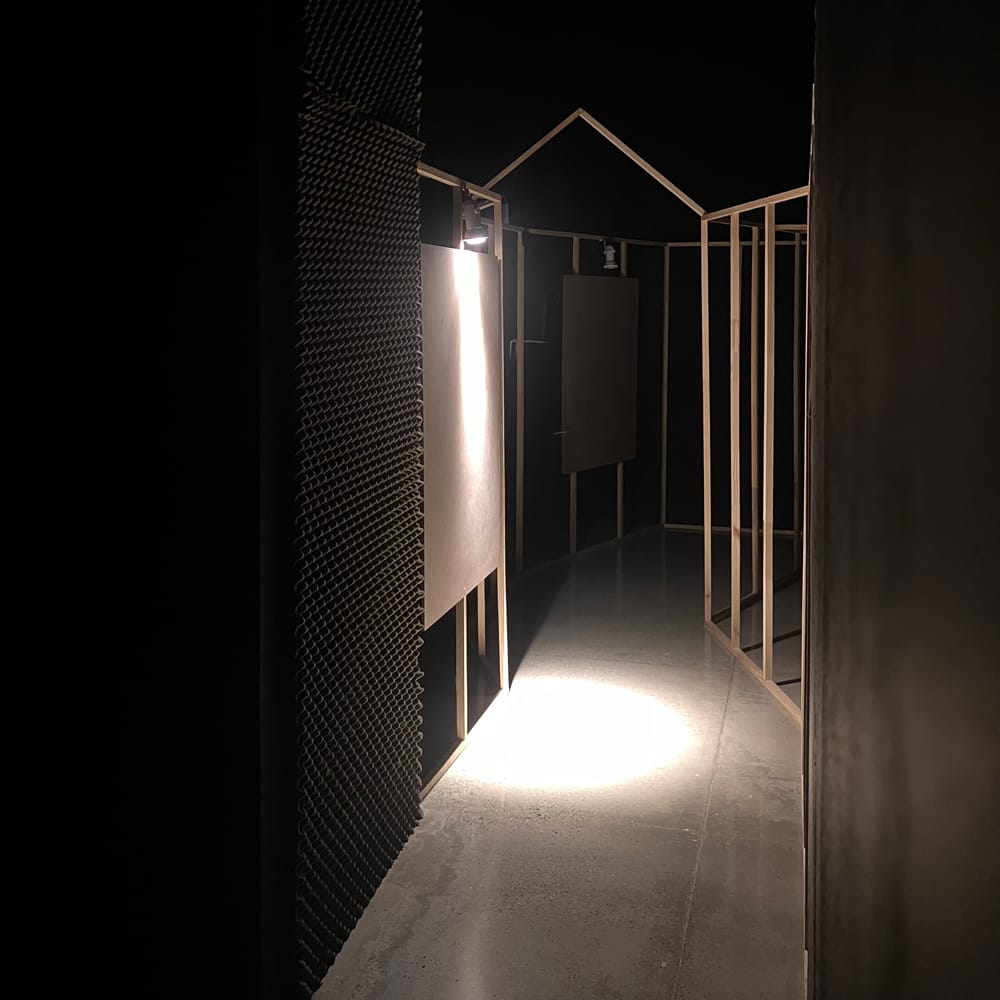
How can one express absence and pain? – Between 1991 and 2012, 900 teachers were murdered in Colombia (source: Human Rights Observatory. Mario Novelli. War in the Classrooms. Political Violence against Trade Unions in the Education Sector in Colombia 2009). According to estimates, 91 students were murdered between 1954 and 2011 as part of the repression of the country’s student movements. – Exhibition at the Museo Casa de la Memoria (House of Memory) in Medellín, Colombia, 2023. LINK